Responsible Photography: When to Put the Camera Down (An Ecotours Guide)
In the era of instant social media sharing and high-resolution digital cameras, wildlife photography has become an integral part of the ecotourism experience. The pursuit of the perfect image—the close-up portrait of a rare raptor, the intimate moment of a nesting bird, or the spectacular view of a large carnivore—drives countless enthusiasts into the world’s most sensitive natural areas.
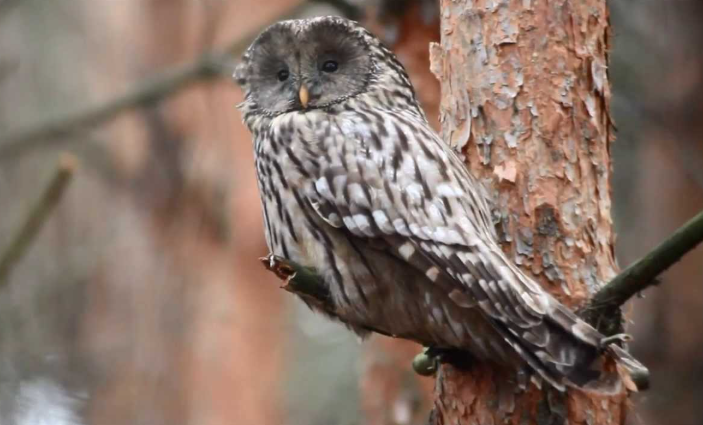
While photography can be a powerful tool for conservation—raising awareness, generating funds, and inspiring action—it simultaneously presents one of the most significant ethical challenges in the field. The desire for a unique, shareable image can easily override ecological sensitivity, leading to disturbances that directly threaten the welfare and survival of the subjects.
For Environmental News outlets, BirdLife Partners, and Conservation NGOs, the distinction is critical: there is a vast ethical gulf between responsible, non-intrusive wildlife photography and the aggressive, self-serving practices of "cowboy" operators and hobbyists.
This article details the rigorous Ethical Framework for Photography enforced by responsible Ecotours. It emphasizes the principle that the welfare of the animal and the integrity of its environment must always take precedence over the acquisition of an image. The core message is simple: Responsible photography is knowing when to put the camera down.
The Conservation Risk: Photography as Disturbance
Wildlife photography, when practiced without strict ethical controls, can inflict severe stress and cause behavioral changes that lead to direct harm. The desire to "get closer" or "force a reaction" is the root of the conflict.
How Unethical Photography Harms Wildlife:
-
Energy Depletion (Flushing): Forcing a bird (e.g., a Long-eared Owl at a winter roost or a shorebird on a critical feeding mudflat) to take flight (flushing) consumes precious energy reserves. In winter or during migration, repeated flushing can lead directly to exhaustion and starvation.
-
Nest Abandonment and Exposure: Disturbing birds during the nesting or brooding period is catastrophic. If the parent bird is frightened off the nest for too long, eggs can chill and die, or chicks can overheat or become exposed to predators (such as corvids or raptors). This is a critical risk for ground-nesting species like the Great Bustard or colonial breeders.
-
Habituation and Conflict: Using bait (e.g., food, calling devices) to lure animals closer for a photograph teaches them to associate humans with a guaranteed reward. This habituation leads to a loss of natural wariness, increasing the animal’s vulnerability to illegal trapping, persecution, or human-wildlife conflict (e.g., approaching villages or roads).
-
Habitat Damage: Photographers seeking a clean line of sight may trespass off designated paths, trample sensitive vegetation (e.g., in wetland margins or steppe habitat), or build makeshift blinds, leading to habitat fragmentation and degradation.
The ethical solution is a comprehensive, non-negotiable set of rules that governs every aspect of the viewing experience.
The Ecotours Ethical Framework: Prioritizing Welfare
Ethical Ecotours integrate photography guidelines directly into their broader conservation mission, treating the camera not as a right, but as a tool to be used with extreme discipline.
1. The Distance Protocol (The Golden Rule)
The most fundamental rule is distance. Responsible operators enforce a minimum distance from the subject that ensures Zero Behavioral Change.
Subject TypeMinimum Ethical DistanceDisturbance CheckNesting/Roosting Birds50 meters (165 ft) minimum (Often 100m+ for sensitive raptors like the Saker Falcon)Is the bird looking at you? Is it raising its head or alarm calling? If yes, the distance is too close.Feeding/Foraging Wildlife30 meters (100 ft) minimumIs the animal stopping its natural activity or changing its trajectory? If yes, the distance is too close.General Wildlife (Mammals)50 meters (165 ft) minimumIs the animal exhibiting vigilance, shifting its weight, or moving away rapidly? If yes, the distance is too close.
Ethical operators utilize high-powered optics (scopes, telephoto lenses) to achieve quality images from a safe distance, demonstrating that responsible photography requires patience and technology, not intrusion.
2. The Non-Interference Protocol (No Lures)
Responsible Ecotours have a Zero Tolerance Policy for any action that manipulates or influences the animal’s natural behaviour for a photograph:
-
No Baiting or Feeding: Strictly prohibiting the use of food (meat scraps, pet food, etc.) to lure animals closer.
-
No Calling or Playback: Forbidding the use of electronic calling devices or audio playback of animal calls (especially owl or raptor calls), which cause unnecessary stress and waste energy.
-
No Nest or Den Manipulation: Never trimming vegetation around a nest or den to clear a camera's line of sight.
3. The Ethical Disclosure Protocol (Protecting Vulnerability)
An image can become a liability if it reveals the location of a vulnerable animal. Ethical operators enforce strict disclosure rules:
-
No Geotagging: Prohibiting the use of precise GPS coordinates (geotags) when sharing images of rare, sensitive, or high-risk species (e.g., Saker Falcon nests, Golden Jackal dens, or Long-eared Owl roosts).
-
Minimal Location Specificity: Encouraging the use of broad location identifiers (e.g., "Hortobágy National Park") rather than highly specific spots (e.g., "The old poplar tree by Fishpond 5").
-
No Illegal Activity: Ensuring no images are taken or shared that depict, condone, or encourage unethical practices (e.g., images of baiting, off-road driving, or close-up harassment).
📸 The 'Cowboy' Operator: The Pursuit of the Trophy Shot
The "cowboy" operator disregards these protocols because they undermine the promise of a "guaranteed" or "trophy" shot—the very selling point that attracts uneducated clients. Their practices are driven by short-term commercial gain at the direct expense of animal welfare.
Unethical 'Cowboy' PracticeDirect Ethical ViolationConservation ConsequenceThe Close Nest ApproachViolating the 50m distance rule; setting up a blind too close to an active nest (e.g., a Saker Falcon nest box).Risks nest abandonment, heat stress, or exposure of chicks to predation.Baiting PredatorsPlacing out non-certified meat or rodents to guarantee a shot of a raptor or jackal.Causes habituation, increases risk of poisoning/trapping, and can spread disease.The "Flush for Flight" ShotDeliberately moving toward a resting bird to force it to take flight for an action shot.Causes severe energy depletion, particularly in wintering birds (e.g., waterfowl, owls), leading to higher mortality.Trimming HabitatCutting branches or clearing foliage around a subject (e.g., an owl) to remove visual obstructions.Destroys natural camouflage and cover, exposing the animal to predators and the elements.Immediate GeotaggingSharing the exact location of a rare sighting (e.g., an Arctic visitor) online for rapid viral exposure.Leads to an uncontrolled influx of visitors who then repeat the same harmful disturbances.
For conservation organizations, the most effective counter-measure is to publicly validate and support operators who can demonstrate verifiable, long-term adherence to the non-interference protocols, often through required training programs and audits.
The Role of Technology: Ethical Tools for Ethical Practice
Ethical photography does not mean eschewing technology; it means using it responsibly. Ethical Ecotours educate tourists on how technology can bridge the distance gap without causing harm.
-
Telephoto and Mirrorless Lenses: Emphasizing the necessary investment in long-reaching telephoto lenses (e.g., 500mm to 800mm) and high-resolution camera bodies that allow for professional-quality images from a safe distance.
-
Remote Operation: Utilizing technologies like Wi-Fi enabled cameras, remote triggers, or motion-activated camera traps (in partnership with monitoring projects) to capture images when no human is present, ensuring zero human footprint.
-
Low-Light/High-ISO Performance: Encouraging the use of modern cameras capable of high-quality images in low light, minimizing the need for artificial flash, which can stress nocturnal or crepuscular animals (like owls or jackals). Flash photography is strictly forbidden for any nocturnal species.
Policy, Advocacy, and the Power of the Image
The power of an ethically acquired image cannot be overstated. When a photograph is taken with respect, it carries genuine integrity and becomes a powerful tool for advocacy.
-
Fundraising and Awareness: Ethically captured images of endangered species (like the Eastern Imperial Eagle or local efforts to protect the Red-footed Falcon) are essential for NGO fundraising campaigns, drawing attention and resources to critical conservation projects (e.g., MME’s anti-electrocution work).
-
Media Standards: Environmental News outlets and conservation media must adopt a policy of ethical vetting for all published wildlife images, requiring photographers to certify that the image was taken without disturbance, manipulation, baiting, or trespassing.
-
Education: Guides use photographs—not just to showcase the animal—but to interpret its complex behaviors, threats, and conservation needs, converting viewers into informed advocates.
The commitment of ethical operators to put the camera down when necessary reinforces the core conservation message: the life of the animal is more valuable than the image of the animal.
Conclusion: Stewardship in a Digital Age
The challenge of wildlife photography in the age of sharing is a microcosm of the larger sustainability challenge. It pits the immediate gratification of the individual against the long-term ecological well-being of the collective species.
The Responsible Photography Ethical Framework championed by Ecotours is an essential tool for conservation. It draws a clear, defensible line in the sand, separating genuine stewardship from commercial exploitation. By mandating strict distance protocols, forbidding manipulation, and prioritizing ethical disclosure, responsible operators ensure that every click of the shutter is an act of respect.
We urge BirdLife Partners, conservation NGOs, and the informed traveling public to support only those operators whose commitment to animal welfare is verifiable, even if it means missing the "perfect shot." The ultimate trophy in ecotourism is not the image on the memory card, but the knowledge that your presence caused zero harm. We must choose to respect the life in the frame over the framing of the life.


